
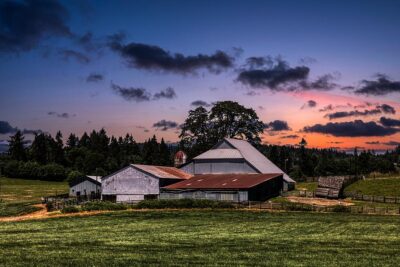
If you’re looking into rural area homes, you might be dreaming about wide open spaces, peace and quiet, and all the chickens you’re going to raise. But there’s a lot to think about when considering a move to the country. From wells and septic systems to land surveys and access roads, learn about what makes rural area homes unique.
What’s Different About Rural Area Homes?
Besides being outside the city, there are infrastructure, maintenance, and lifestyle considerations that make these properties different from urban and suburban ones.
Systems You’ll Be Responsible For
In the city, you don’t think about things like where your tap water comes from or where your wastewater goes. In the country, you have to manage these systems yourself:
Water
Most rural area homes rely on well water rather than municipal water systems. You’ll need to understand things like well depth, water quality, flow rate, water testing, pump condition and age, and backup plans if your well runs dry. If you’re building a new home on a rural lot, you’ll need to arrange to have a well drilled.
Sewage
Rural properties usually aren’t connected to a municipal sewage system. Instead, they use septic systems. If you’re looking at rural homes for sale, you’ll need to understand septic tank size and age, when the tank was last pumped, getting a septic inspection before closing, what it costs to empty the septic tank every three to five years, and what it will cost to replace the system if it fails.
Utilities
Unless you’re looking at rural homes off the grid, you’ll probably be able to get normal electrical service. However, you might also need propane tanks for heating and cooking, home heating oil, and a generator for power outages, which are much more common in rural areas and take longer to repair.
Access Roads
Rural area homes often have long, unpaved driveways leading into them. While this gives you privacy, you may also run into problems like getting stuck in the mud or having snow blocking your driveway for several days.
Before you put in an offer on a rural home for sale, ask these questions:
- Is the road private or public?
- Who is responsible for maintaining it?
- What are the conditions of the road in different seasons?
- Do I need a four-wheel drive vehicle to access the property year-round?
Property Lines
Rural properties are often large, and you will need to know where your land ends and the next property begins. For this, you’ll need a survey that shows property boundaries, easements, encroachments, access roads, rights of way, and any other restrictions or covenants. Keep in mind that any fencing that exists may or may not indicate where your property actually ends.
Zoning and Land Use
Just because it’s a rural area home doesn’t mean there are no zoning restrictions. Things to ask about before you make an offer:
- Zoning regulations (agricultural, residential, or mixed-use).
- Building restrictions and setbacks.
- Whether you can build additional structures such as barns, guest houses, and workshops.
- Agricultural restrictions on livestock, such as chickens or other animals.
- Restrictions on running a business out of the property.
Hidden Costs of Rural Area Homes
When you’re considering rural properties, budget for expenses you may not have in an urban area:
Higher Initial Costs
Before you move, you’ll need to pay for:
- Well and septic system inspections: $500 – $1,500.
- Water testing: varies depending on the lab.
- Land survey: $500 – $2,000+.
- Specialized insurance: depends on the area and the specific risks.
- Home heating oil remaining from the previous owner (this expense will be included in your closing costs).
Ongoing Expenses
Once you move in, you’ll need to budget for these:
- Road maintenance and snow plowing (if the road is private).
- Septic pumping every three to five years.
- Well maintenance.
- Propane or oil delivery.
- Generator maintenance.
- Firewood and firewood delivery (if you have a fireplace or wood-burning stove).
Home Inspections for Rural Area Homes
In addition to the regular home inspection you’d get for a city home, you’ll need inspection services specific to homes in the country. The inspection should cover:
- Well and water system
- Water quality testing
- Well flow testing
- Water treatment system
- Septic system
- Tank inspection and pumping records
- Septic field evaluation
- Compliance with local regulations
- Structural issues
- Foundation condition and settling
- Roof condition
- Wood-destroying insects such as termites and carpenter ants
- Rodent damage (this is more common in rural area homes)
- Outbuildings
- Barns, sheds, garages, workshops, guesthouses
- Fencing condition
- Natural features and environmental concerns
- Pond or creek health
- Soil quality (if you’re planning to farm or garden)
- Dock condition
- Contamination problems from old dumps, agricultural chemicals that are now illegal, etc.
Buying a Rural Property
Whether you’re hoping to get away from the hustle and bustle, interested in agricultural pursuits, or planning to start a small business on a rural property, a rural area home could be perfect for you. As a bonus, you can take advantage of USDA loans specifically designed for rural properties. These government-backed loans require no down payment and have competitive interest rates. Income limits do apply, as do price limits, so check to see if you qualify before you commit.